

⚠ Content Warning
This article discusses death by suicide, murder, and physical abuse on camera. If you or someone you know is in crisis, contact a crisis helpline in your country immediately. Hotlines are listed at the bottom of this article.
Live streaming was supposed to bring people closer together. A creator broadcasts; an audience watches; money flows through subscriptions, donations, and ad revenue. It is one of the defining media formats of the 21st century, raw, immediate, unedited. But those same qualities that make live streaming compelling also make it uniquely dangerous. The camera keeps rolling when things go wrong.
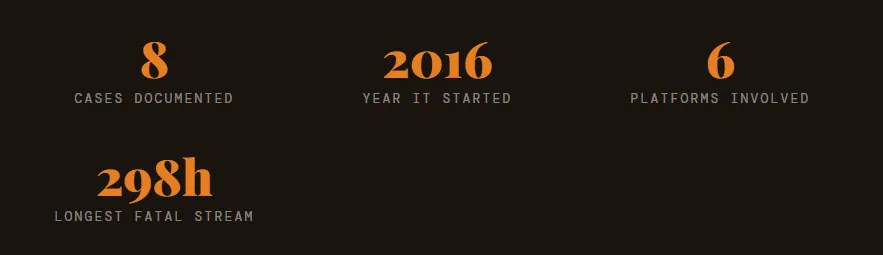
Since Facebook launched its Live feature in 2016, dozens of deaths have been captured, at least partially, in real-time, on camera, in front of audiences that range from dozens to millions. Some of these deaths were the result of natural causes accelerated by the physical toll of marathon streaming. Others were murders. Some were intentional acts of self-harm. All of them force a reckoning with platforms, audiences, and the industry structures that incentivize creators to push past every limit.
This article documents seven of the most notable and verified cases of streamers who died while live streaming, with factual detail, platform context, and the broader systemic questions each case raises.
Valeria Márquez (Murder/TikTok Live)
Age: 23
Date: May 13, 2025
Place: Zapopan, Jalisco, Mexico
Of all the streamers who died while live streaming in recent memory, the case of Valeria Márquez is perhaps the most chilling. The 23-year-old Mexican beauty influencer and model, full name Atziri Valeria Márquez López, was live on TikTok from her salon, Blossom The Beauty Lounge, in the Zapopan suburb of Guadalajara, when a masked man posing as a delivery driver entered her establishment.
Márquez had built a following of over 113,000 on TikTok and 70,000 on Instagram through lifestyle, beauty, and entrepreneurship content. She had been crowned Miss Rostro in 2021 and launched her salon in 2024. During the fatal stream, she can be seen cheerfully unwrapping a stuffed pink pig toy, a decoy gift delivered to lure her into a vulnerable position. What followed happened in seconds.

"Dude, they might've been about to kill me," Márquez said on camera minutes before the shooting, a sentence that has since become one of the most haunting lines in live-streaming history.
Al Jazeera / CBS News reporting, May 2025
The gunman shot her in the chest and head while she was still on camera. The TikTok stream continued briefly after the attack before an employee stopped the broadcast. The Jalisco State Prosecutor's Office opened an investigation under femicide protocols. Mexican President Claudia Sheinbaum publicly condemned the killing, and on June 18, 2025, the U.S. Treasury sanctioned five senior members of the Jalisco New Generation Cartel (CJNG), with Márquez's murder cited as an example of Mexico's ongoing femicide crisis.
- Platform: TikTok Live
- Cause of Death: Gunshot wounds (chest and head), ruled femicide
- Suspect: Masked male posing as delivery driver; investigation ongoing
- Investigation opened by: Jalisco State Prosecutor's Office, with CJNG cartel links investigated
- Context: Mexico records approximately 10 femicide deaths per day; this case was the 8th that month in Jalisco alone
KEY FACTS
Jean Pormanove/Raphaël Graven (Abuse/Kick)
Age: 46
Date: August 18, 2025
Place: Contes, near Nice, France
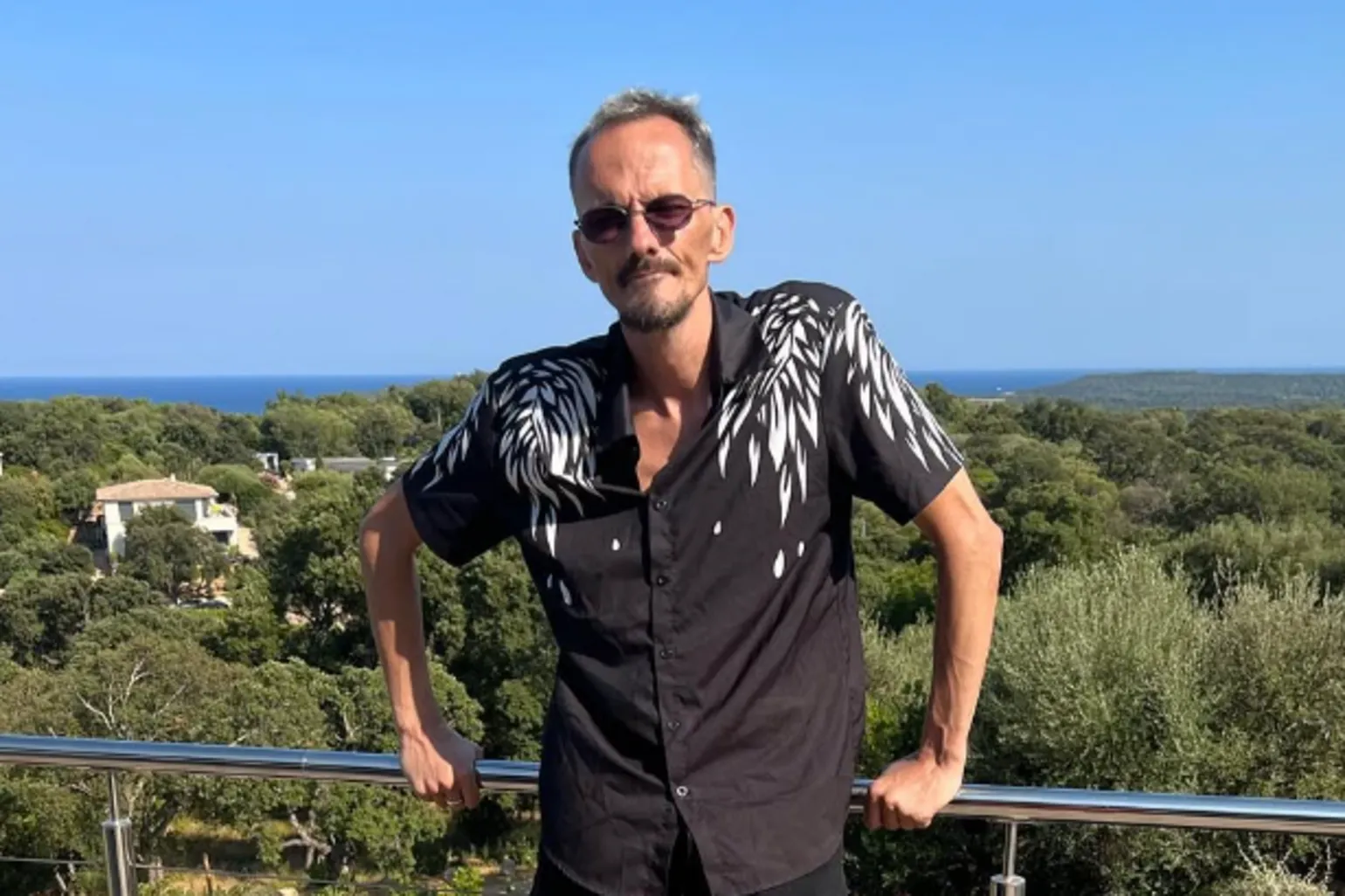
Raphaël Graven, known online as Jean Pormanove or simply JP, was one of France's most-watched streamers, a former military veteran with over one million followers across platforms. He was also a central figure in what French investigators and media called an "abuse business": a content model in which vulnerable people are subjected to humiliation on camera to generate audience donations.
On August 18, 2025, Graven died during a continuous Kick livestream that had been running for nearly 298 hours, over 12 straight days. Throughout the broadcast, fellow streamers Owen "Naruto" Cenazandotti and Safine Hamadi subjected Graven to physical abuse: throttling, paintball shots, water dousing, sleep deprivation via revving motorbikes and leaf blowers. The donation counter on the stream had reached €36,000 (~$42,000 USD) by the time of his death.
"Hi mom, how are you? Stuck for a bit in [Owen's] death game. It's going too far. I feel like I'm kidnapped with their shitty concept. I'm fed up, I want to get out of here."
Final message sent by Pormanove to his mother, per Wikipedia / CNN reporting
When Graven stopped moving, viewers began donating money to send alert messages. Co-streamer Naruto threw a water bottle at him, then slapped him before realizing the severity. The stream was cut. An autopsy found no traumatic injuries, suggesting probable medical or toxicological causes, consistent with his previously documented heart and thyroid conditions. No criminal charges had been filed as of late August 2025.
The case triggered an immediate response from French officials: Digital Affairs Minister Clara Chappaz described it as "an absolute horror," launched a judicial inquiry against Kick itself, and on August 26, the French government announced it would sue the platform for alleged negligence. Kick banned all co-streamers involved and reviewed its French-language content. Streamers Adin Ross and Drake publicly offered to cover funeral costs.
- Platform: Kick (formerly also on Twitch)
- Cause of Death: Probable medical/toxicological, exact cause unconfirmed as of August 2025
- Stream duration: ~298 consecutive hours (over 12 days)
- Donations earned during fatal stream: ~€36,000
- Platform response: Kick banned all co-streamers; French government sued Kick for negligence
KEY FACTS
Brian "PoShYbRiD" Vigneault (Natural Causes/Twitch)
Age: 35
Date: February 19, 2017
Place: Virginia Beach, Virginia, USA
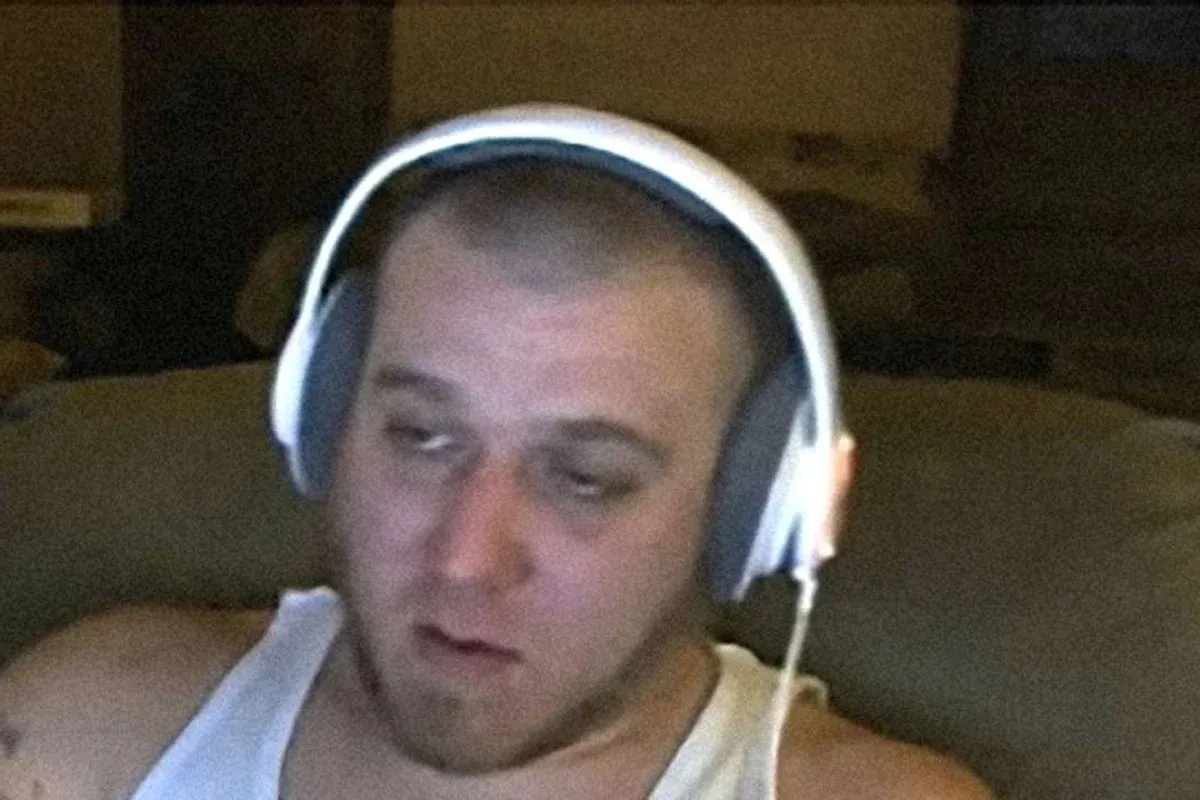
Brian Vigneault was the first streamer documented to have died during an active Twitch broadcast, a milestone as grim as any in streaming history. Known to his community as PoShYbRiD, the 35-year-old father of three from Virginia Beach was one of the most prominent World of Tanks streamers in North America, known equally for his gaming skill and his charity work. He had raised over $10,900 for organizations including veterans' groups and the Make-A-Wish Foundation across his streaming career.
On February 19, 2017, Vigneault was 22 hours into a 24-hour charity marathon stream for Make-A-Wish. At approximately 3:30 AM CST, he announced he was stepping away for a cigarette break and left the stream running. He never returned. Viewers who were still watching at 11 AM assumed he had fallen asleep. Later that evening, when a friend messaged his Discord account, it was a detective from the Virginia Beach Police Department who responded, confirming Vigneault's death at his residence.
"A person who stays in our hearts never dies." Statement from Vigneault's gaming clan FAME, posted after his death
Facebook / Kotaku, February 2017
The official cause of death was never publicly confirmed; speculation centered on heart complications linked to severe sleep deprivation, as Vigneault had been running 20+ hour streams for multiple consecutive days in the lead-up to the charity event. Research from Warwick Medical School has linked prolonged sleep deprivation to elevated risk of stroke, heart attack, and cardiovascular disorders. His death prompted Twitch to convert his channel into a memorial page and led to widespread discussion about the physical risks of marathon streaming, a conversation that, years later, remains largely unresolved.
- Platform: Twitch (first documented Twitch streaming death)
- Cause of Death: Unknown, suspected cardiac event linked to sleep deprivation
- Context: Was raising money for Make-A-Wish Foundation; had raised $10,900+ across career
- Platform response: Twitch designated his channel a memorial; no policy changes on marathon streams were announced
KEY FACTS
Byron "Reckful" Bernstein (Suicide/Twitch)
Age: 31
Date: July 2, 2020
Place: Austin, Texas, USA
Byron Daniel Bernstein, known to millions as Reckful, was one of the most consequential figures in the entire history of live streaming. An American-Israeli gamer born in Los Angeles on May 8, 1989, Bernstein was a pioneering Twitch streamer and one of the highest-ranked World of Warcraft players in the world, finishing in the top 0.1% of the competitive ladder across multiple seasons. He won Major League Gaming's WoW tournament in 2010, commanded up to 50,000 concurrent viewers at his peak, and was ranked among the world's top-ten richest streamers in 2017 with an estimated $1.5 million net worth.
But Bernstein's story was never just about success. He was open and articulate about his struggles with depression and bipolar disorder, conditions that shadowed him from childhood, worsened by the suicide of his older brother Guy when Bernstein was just six years old. He spoke candidly about mental health on stream in ways that were rare for public figures at the time, building a community that valued his honesty as much as his skill.
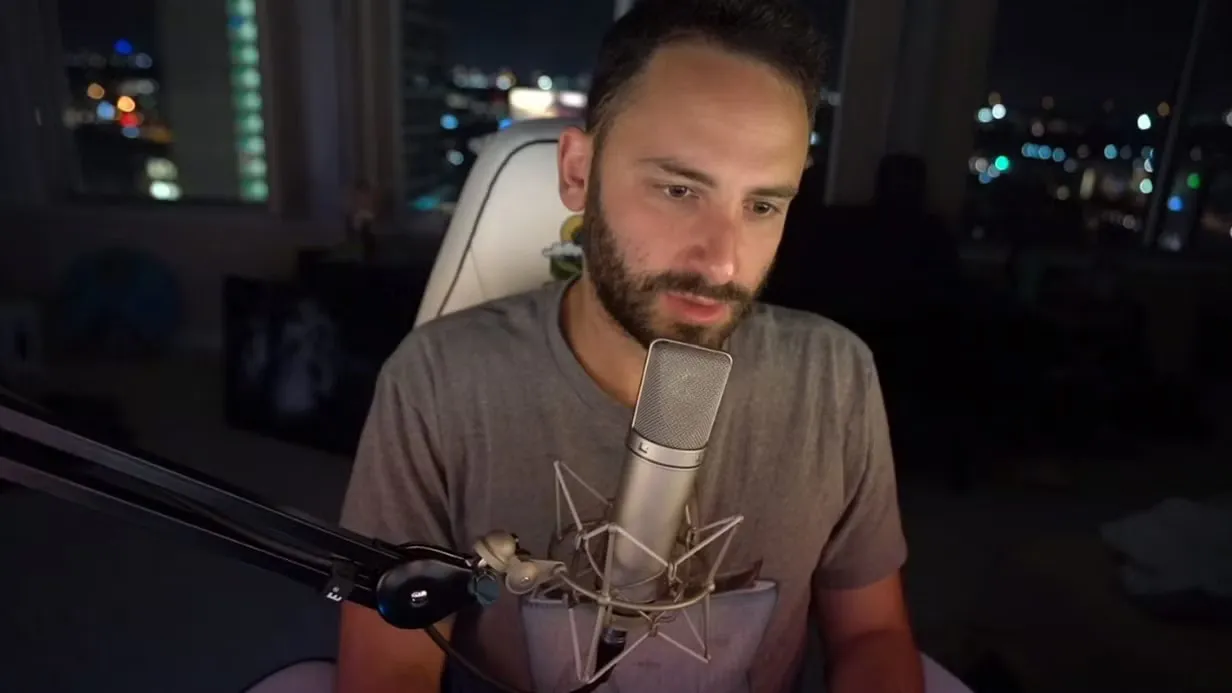
Reckful wasn't just a streamer. He was one of the first public figures in gaming to speak openly about depression and bipolar disorder, at a time when the culture was largely silent on both.
On July 2, 2020, Bernstein died by suicide at the age of 31. He had tweeted a marriage proposal hours before his death that alarmed those close to him. The gaming and streaming community was devastated. In August 2020, Blizzard Entertainment, maker of World of Warcraft, paid tribute by adding an in-game character trainer named after his online alias, an honor reserved for significant cultural figures in WoW's history. He had been in the process of creating his own MMO game, called Everland, at the time of his death.
- Platform: Twitch (one of the platform's founding-era stars)
- Cause of Death: Suicide
- Legacy: Blizzard created an in-game WoW NPC named "Reckful" in his honor (August 2020)
- Mental health context: Had publicly spoken about bipolar disorder and depression; brother Guy had also died by suicide
KEY FACTS
Katelyn Nicole Davis (Suicide/Live.me)
Age: 12
Date: December 30, 2016
Place: Polk County, Georgia, USA
The death of Katelyn Nicole Davis on December 30, 2016, remains one of the most discussed and painful cases in the history of live streaming, not only because of the tragedy itself, but because of the systemic failures it exposed. The 12-year-old girl from Polk County, Georgia, deliberately live streamed her death on Live.me, a platform then popular among young users for its real-time social broadcasting features. The camera continued to record after she passed.
Davis had shared deeply personal content on her social media channels in the period leading up to her death, describing experiences of abuse and distress at home. Her case raised urgent questions about platform responsibility: the video circulated online for days before it was removed, and the mechanism by which Live.me, and by extension the broader live-streaming ecosystem, monitored and responded to at-risk minor users was found to be profoundly inadequate.
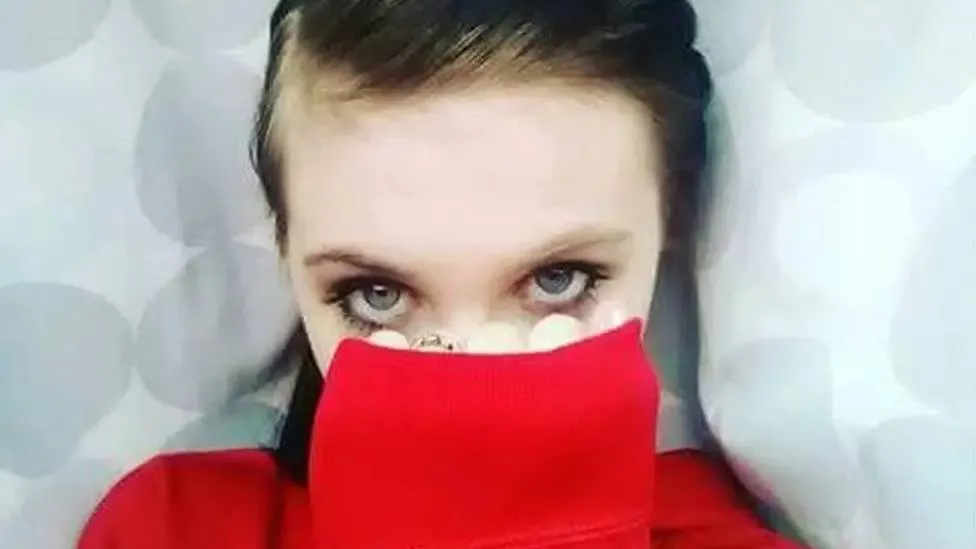
Her death accelerated calls for live-streaming platforms to implement real-time crisis detection systems, a technology gap that still has not been fully closed across the industry.
Her case became a reference point in legislative discussions about platform safety for minors, and it is regularly cited in academic literature on social media, adolescent mental health, and the ethics of live broadcasting. In the United States, it contributed to conversations that eventually fed into early drafts of online child safety legislation, though comprehensive federal regulation of live-streaming platforms targeting minors remains incomplete as of 2025.
- Platform: Live.me (live social streaming app)
- Cause of Death: Suicide, deliberately live streamed
- Platform response: Video circulated for days before removal; platform faced criticism for inadequate crisis safeguards
KEY FACTS
Océane E. "Imanolthecat" (Suicide/Periscope)
Age: 19
Date: May 10, 2016
Place: Paris, France
On May 10, 2016, a 19-year-old French woman known online as Imanolthecat broadcast her death on Periscope, Twitter's live-streaming application. In the broadcast, Océane E. described what she alleged was a sexual assault committed by her ex-boyfriend, who she claimed had filmed and shared an intimate video of her on Snapchat without her consent, a crime commonly known as revenge pornography or non-consensual intimate image sharing.
Periscope's parent company, Twitter, removed the footage. The ex-boyfriend denied her allegations; Parisian authorities did not arrest or charge him. A friend of Océane confirmed the existence of the video she described. Her case predated many of France's more aggressive laws on non-consensual image sharing and became a point of reference in European advocacy around image-based sexual abuse as a driver of crisis in young women.
As one of the earliest documented suicides broadcast on a major streaming platform, her death helped force Periscope and Twitter to add crisis-intervention overlays and links to mental health resources on certain types of flagged live content, a practice that became an early industry standard.

- Platform: Periscope (owned by Twitter)
- Cause of Death: Suicide, broadcast live
- Context: Alleged non-consensual intimate image sharing by ex-boyfriend; no charges filed
- Platform response: Footage removed; Periscope and Twitter subsequently added crisis overlays to flagged live content
KEY FACTS
Keiana Herndon (Natural Causes/Facebook Live)
Age: 25
Date: December 28, 2016
Place: Little Rock, Arkansas, USA
Not all streaming deaths involve professional content creators. Keiana Herndon, a 25-year-old mother of two from Little Rock, Arkansas, was simply a Facebook Live user, one of millions of everyday people who began broadcasting themselves in the months after Facebook launched its live video feature in 2016. On December 28 of that year, Herndon was streaming herself singing and conversing with viewers when she suddenly collapsed, dropping her phone.
The stream continued for approximately 30 more minutes after she lost consciousness, capturing darkness, and the sounds of her infant crying in the background. Herndon reportedly had pre-existing health problems; complications from a thyroid condition triggered heart failure. She was pronounced dead at the scene. Her father expressed public outrage that friends who were watching the stream live had not immediately called emergency services on her behalf, a phenomenon researchers have since termed the bystander effect in digital environments.

The stream kept going for 30 minutes, infant audible in the background. Not a single viewer called 911 in time.
Her case is less discussed than others on this list, but it raises critical and underexplored questions: What obligation does a live audience have to the person they are watching? What systems should platforms implement to automatically detect medical emergencies in real-time? Facebook subsequently increased its self-harm prevention advertising and introduced live chat support for individuals in distress, but automated real-time health-emergency detection remains, as of 2025, an unsolved problem across all major platforms.
- Platform: Facebook Live
- Cause of Death: Heart failure (thyroid-related complications)
- Stream duration after collapse: ~30 minutes, uninterrupted
- Platform response: Facebook introduced self-harm prevention ads and live crisis chat support
KEY FACTS
Wang Yefei "Sister Wang Zha" (Natural Causes/Chinese E-Commerce Livestream)
Age: 39
Date: March 9, 2026
Place: Shanxi Province, China
Wang Yefei, known online as Sister Wang Zha, was a 39-year-old variety streamer and single mother from Shanxi Province, China. She had built a following of roughly 130,000 by hosting daily fashion sales livestreams, where she tried on and presented women's clothing to viewers in real time. She was well-liked for her warmth and relentless work ethic, but that same work ethic was killing her long before the camera caught it.
Wang had been experiencing persistent, worsening headaches since around the Lunar New Year holiday in mid-February 2026. Rather than seek medical attention, she managed the pain with over-the-counter painkillers and kept streaming. Friends described her typical day as seven to ten hours of live broadcasting, followed by just four to five hours of sleep. She was the sole earner for herself and her four-year-old daughter, and the financial pressure to stay visible on platform algorithms left her no room to rest.

"Famous influencer Wang Yefei (39), who broadcasts in China, suffered a cerebral hemorrhage during a live stream and passed away. It was learned that Yefei streamed for an average of 11 hours a day and had irregular sleep patterns."
Translated report, widely circulated via Jimu News and VNExpress International, March 2026
On March 9, 2026, approximately 36 minutes into a routine sales broadcast, Wang suddenly clutched her head and neck, grimacing in visible pain. She stepped briefly off-camera while a staff member massaged her neck; when she returned, she looked noticeably worse. Her condition deteriorated rapidly. She shouted to staff to dial 120 (China's emergency ambulance number), warned those around her that she was about to faint, and then collapsed on camera. Only about 11 minutes elapsed between the first onset of visible symptoms and her death, according to a friend who attended her funeral and spoke to China News Weekly. She was rushed to hospital but pronounced dead shortly after arrival.
Medical professionals confirmed the cause of death as a brainstem hemorrhage, one of the most lethal forms of stroke. When bleeding volume in the brainstem exceeds five millilitres, mortality rates surpass 75%. Her death was not an isolated incident: in October 2025, another Chinese streamer known as Yunnan Akui, aged 32, had died of the same cause after collapsing during a broadcast. Wang's death reignited a recurring conversation in China about the physical cost of the livestreaming economy, where algorithmic reward structures push creators to stream longer hours to maintain income and follower counts. Her social media accounts were taken offline after her death, and her funeral was held on March 11, 2026, at Wujinshan in Yuci, Shanxi Province.
- Platform: Chinese e-commerce livestreaming (fashion sales format)
- Cause of Death: Brainstem hemorrhage (stroke), confirmed by medical professionals
- Daily streaming hours: 7 to 11 hours; sleep average of 4 to 5 hours per night
- Prior warning signs: Persistent headaches since mid-February 2026; self-medicated with painkillers and did not seek care
- Time from symptom onset to death: Approximately 11 minutes
- Preceding case: Yunnan Akui, 32, died of the same cause during a broadcast in October 2025
KEY FACTS
What These Deaths Have in Common
A. Platform Profit vs. Creator Safety
In every case documented here, the platform continued to benefit financially from the content, through subscriptions, ad revenue, or donations,until the moment of death. Safety infrastructure consistently lagged revenue infrastructure.
B. The "Marathon" Pressure
Streaming economics reward volume. More hours means more exposure, more subscribers, more donations. Vigneault and Pormanove both died during extreme-length sessions driven by financial incentives. No platform has set clinical guardrails on session length.
C. Audience Passivity
In multiple cases, live audiences witnessed warning signs, or death itself,without acting. The architecture of comment-based interaction creates passive observers, not responsible witnesses. No platform has meaningfully redesigned this dynamic.
D. Regulatory Void
Traditional broadcast media have regulatory bodies, occupational health requirements, and licensed on-set first aid. Live streaming has none of these. France's 2025 lawsuit against Kick may represent the beginning of a regulatory correction, or it may not.
Several of the deaths documented in this article were preceded by visible public distress: social media posts, on-stream statements, or final messages that, in retrospect, were clear cries for help. If you see warning signs in a streamer or online personality you follow, take them seriously. If you are struggling yourself, please reach out.
Streaming communities, despite their flaws, have often shown extraordinary care for one another in moments of crisis. That capacity is real, but it cannot replace professional support.
- USA: 988 Suicide & Crisis Lifeline (Call or text: 988)
- UK: Samaritans (Call: 116 123 (free, 24/7))
- India: iCall (Call: 9152987821)
- France: Numéro National (Call: 3114)
- International Directory (findahelpline.com)
The Stream Goes On. But It Doesn't Have To Ignore What It's Seen
The stories collected here span a decade, seven platforms, three continents, and multiple causes of death. They involve a teenager in rural Georgia, a French military veteran, a Mexican beauty influencer, a Chinese single mother, and one of the most celebrated competitive gamers in history. What connects them is not just the camera; it's the structural environment in which the camera operates.
Live streaming is now a multi-billion-dollar global industry. The platforms that host it are among the most sophisticated technological entities in human history. Yet when it comes to protecting the people who make them their living, or simply broadcast their daily lives,those platforms have consistently chosen minimum viable intervention over genuine structural change.
Valeria Márquez's murder in 2025, Jean Pormanove's death the same year, and Wang Yefei's collapse in early 2026 suggest this problem is not fading. If anything, as streaming expands into new geographies, new formats, and new extremes, the gap between the industry's profits and its duty of care may be widening. These names deserve to be more than footnotes in a platform's terms-of-service update. They deserve to change how we build, regulate, and participate in live media.
Editorial note:
This article is based on reporting from CNN, Al Jazeera, CBS News, Kotaku, Wikipedia, SVG, and other verified sources. All cause-of-death information reflects what was publicly confirmed by authorities as of the time of publication. Where causes remained under investigation, that is noted explicitly. This article does not link to or reproduce footage of any of the deaths described.